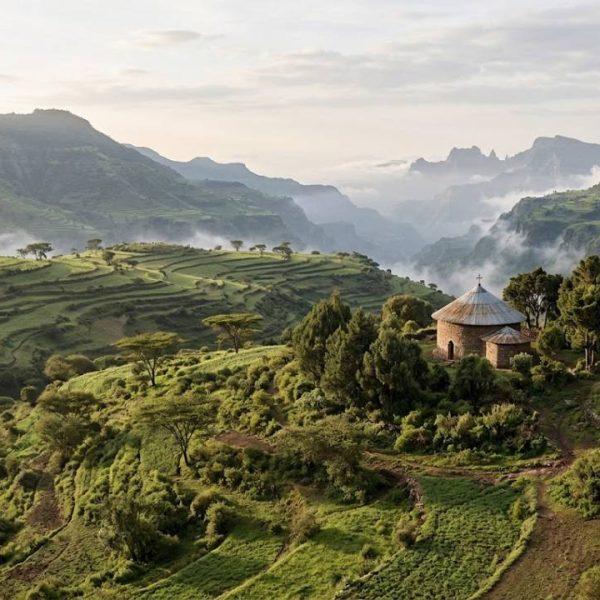
Ethiopia is a country of ancient history, diverse communities and warm hospitality. From its famous coffee ceremonies to its highland monasteries, daily life here has a rhythm all its own. This guide offers a friendly introduction to the culture, food and traditions that shape it.
A Country With Deep History
Ethiopia has one of the longest recorded histories in Africa. Ancient kingdoms, trade routes and religious traditions left a lasting mark. Many customs people see today have roots going back many centuries.
Many Peoples and Languages
More than eighty ethnic groups live in Ethiopia, and many languages are spoken. Amharic is widely used for national communication, while Oromo, Tigrinya and others are spoken by millions across regions.
The Coffee Ceremony
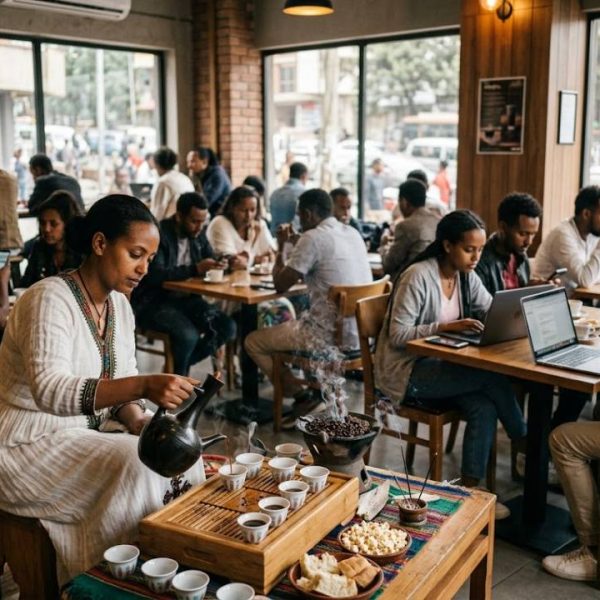
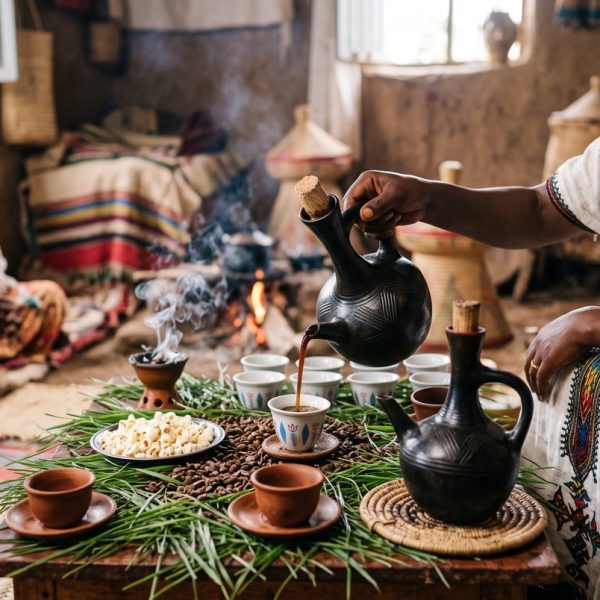
Coffee is believed to have originated in Ethiopia. In a traditional ceremony, beans are roasted, ground and brewed in a clay pot, then served in small cups. Guests are expected to stay for several rounds.
Injera and Shared Meals
Injera is a soft, tangy flatbread made from teff. It is served with stews known as wat, and families often eat from a shared platter. Feeding someone by hand is a gesture of affection.
Spices and Flavours
Berbere, a blend of chilies and spices, gives many dishes their depth. Lentils, vegetables and slow cooked sauces feature heavily, and fasting days encourage some of the country best vegetarian cooking.
A Calendar of Its Own
Ethiopia follows its own calendar with thirteen months, which places the new year in September. Visitors are often surprised to find that the year number differs from the one used elsewhere.
Festivals That Bring People Together
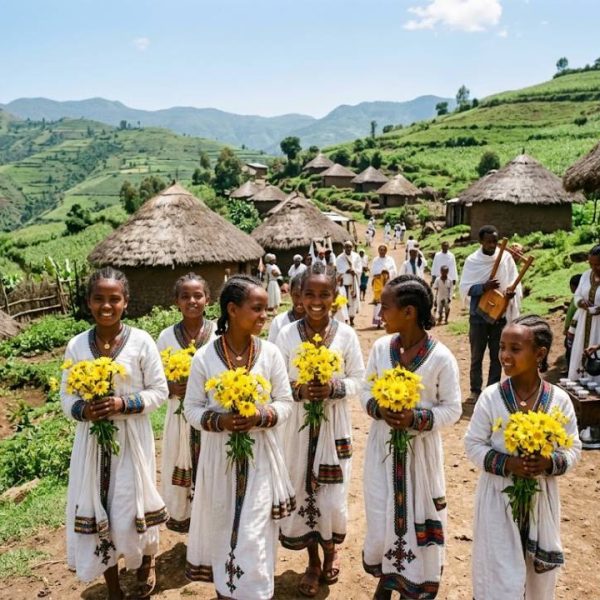
Meskel, Timkat and Enkutatash are celebrated with songs, processions and colourful clothing. Crowds gather in public squares, and families prepare special meals to share with relatives and neighbours.
Rock Hewn Churches of Lalibela
Carved from solid rock, the churches of Lalibela attract pilgrims and travellers from around the world. UNESCO recognises the town as a World Heritage Site. Visit respectfully and dress modestly.
Natural Wonders
The Simien Mountains, the Danakil Depression and the Blue Nile Falls show how varied the land is. Hikers, birdwatchers and photographers find rewarding scenery across highlands, valleys and volcanic plains.
Music and Dance
Traditional music uses instruments such as the krar and masenqo, and dances like eskista are famous for rapid shoulder movements. Modern Ethiopian artists blend these sounds with jazz and pop.
Hospitality as a Value
Guests are welcomed warmly, often with food and drink before any conversation begins. Accepting what is offered shows respect. A small gift from your own country is always appreciated.
Greetings and Manners
Handshakes are common and may be accompanied by a gentle shoulder bump among friends. Use titles when you meet elders, and use your right hand when passing food or objects.
Learning a Few Words
Simple greetings and thanks open doors. People appreciate visitors who try, even imperfectly. If you plan to work with Vietnamese or other international partners, accurate english to vietnamese translation keeps shared materials clear.
Telling Ethiopian Stories Accurately
Journalists and researchers often record interviews with elders and community leaders. A careful interview transcription preserves names, proverbs and tone so the speaker words are never lost or misunderstood.
Markets and Everyday Shopping
Local markets sell spices, textiles, baskets and fresh produce. Bargaining is common but friendly. The Mercato in Addis Ababa is one of the largest open air markets on the continent.
Addis Ababa as a Diplomatic Hub
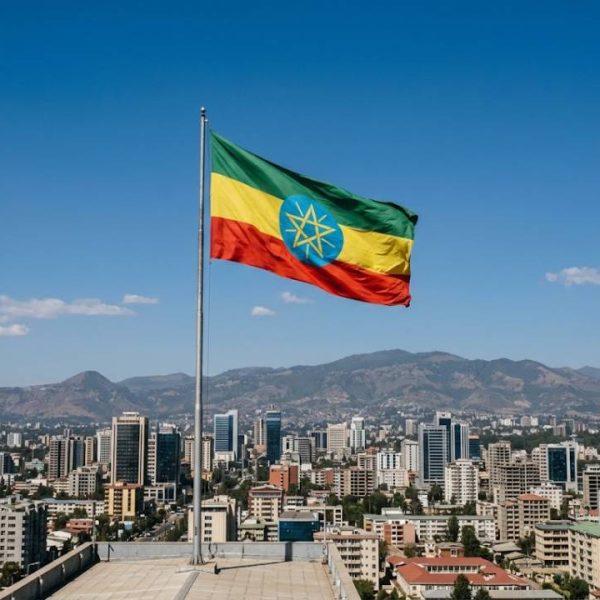
The capital hosts the African Union and many international organisations. Its mix of modern buildings, cafes and historic neighbourhoods reflects a growing city that remains rooted in tradition.
Education and Young People
Young Ethiopians form a large share of the population. Many study hard, start small businesses and follow global trends while keeping strong ties to family and community life.
Sport and Athletics
Ethiopia is famous for long distance runners who train at high altitude. Running is a source of national pride, and early morning joggers are a common sight in many towns.
Learning From Reliable Sources
To explore further, consult reputable references. The UNESCO World Heritage listing for Ethiopia describes sites that illustrate the country cultural and natural riches.
Travelling Respectfully
Ask before photographing people, dress modestly at religious sites and follow guidance from local guides. Respectful behaviour opens genuine conversations and leaves communities with a good impression.
Supporting Local Communities
Choose locally owned guesthouses, buy crafts directly from makers and tip guides fairly. Tourism that benefits residents helps traditions and livelihoods continue for future generations.
Staying Informed
Follow trusted news outlets, read books by Ethiopian authors and listen to community voices. Balanced information protects against stereotypes and gives a fuller picture of daily life.
Keep an Open Mind
No single article captures a country this varied. Approach with curiosity, ask questions and be ready to listen. The best way to understand Ethiopia is to meet its people.
Final Thoughts
Ethiopia rewards patient, curious visitors and readers. Start with the food, the coffee and the stories, then follow your interest wherever it leads. Every conversation will add something new to your understanding.