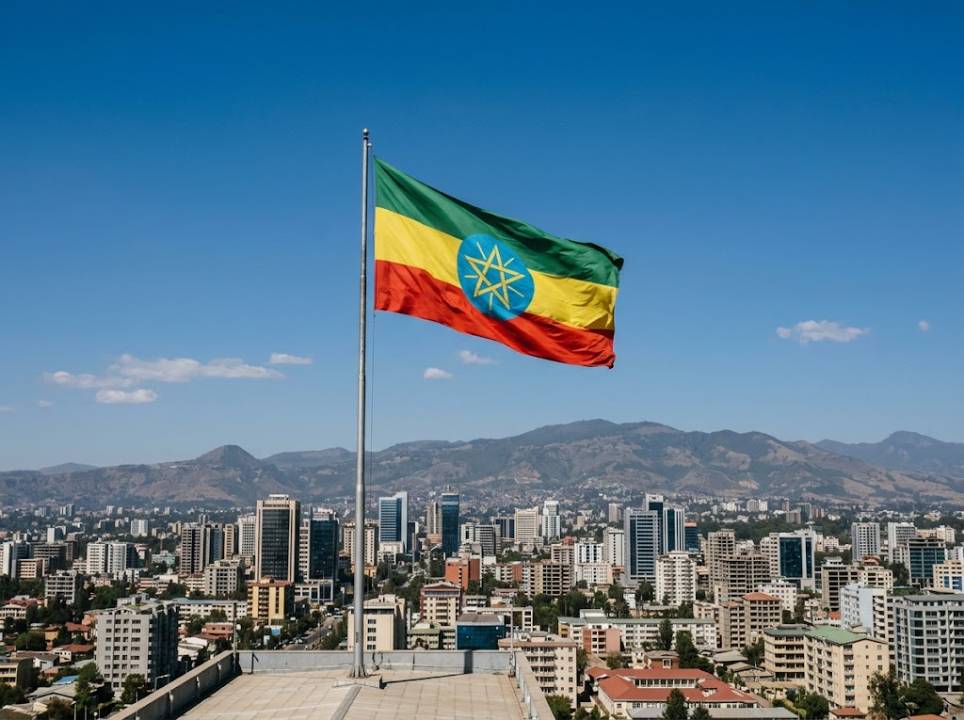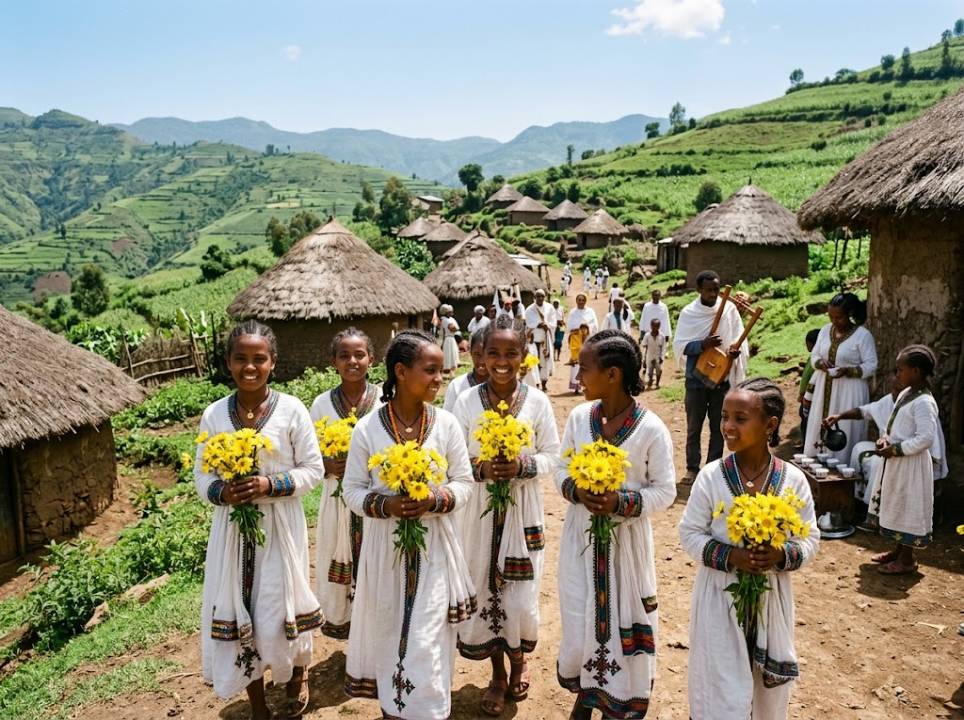
Ethiopia is where coffee began. Legend credits a goatherd named Kaldi with noticing his animals dancing after eating red berries in the highlands of Kaffa. Whatever the truth of the story, Arabica coffee does originate in Ethiopia's forests, and today the country is Africa's largest coffee producer and one of the five biggest in the world.
Coffee is more than a symbol. It supports the livelihoods of millions of smallholder farmers and remains one of the country's most important sources of foreign currency. As global markets shift, the way Ethiopia sells its coffee is changing just as fast as the way it grows it.
Record harvests and export earnings
In recent years, Ethiopia has reported record export volumes and revenues from coffee, helped by strong global prices, new planting and reforms to the marketing system. The government has loosened rules that once required most coffee to pass through the Ethiopia Commodity Exchange, allowing more direct trade between producers and foreign buyers.
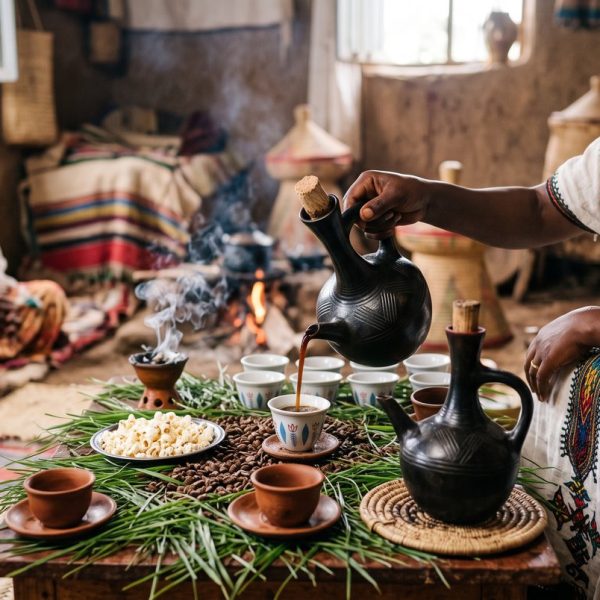
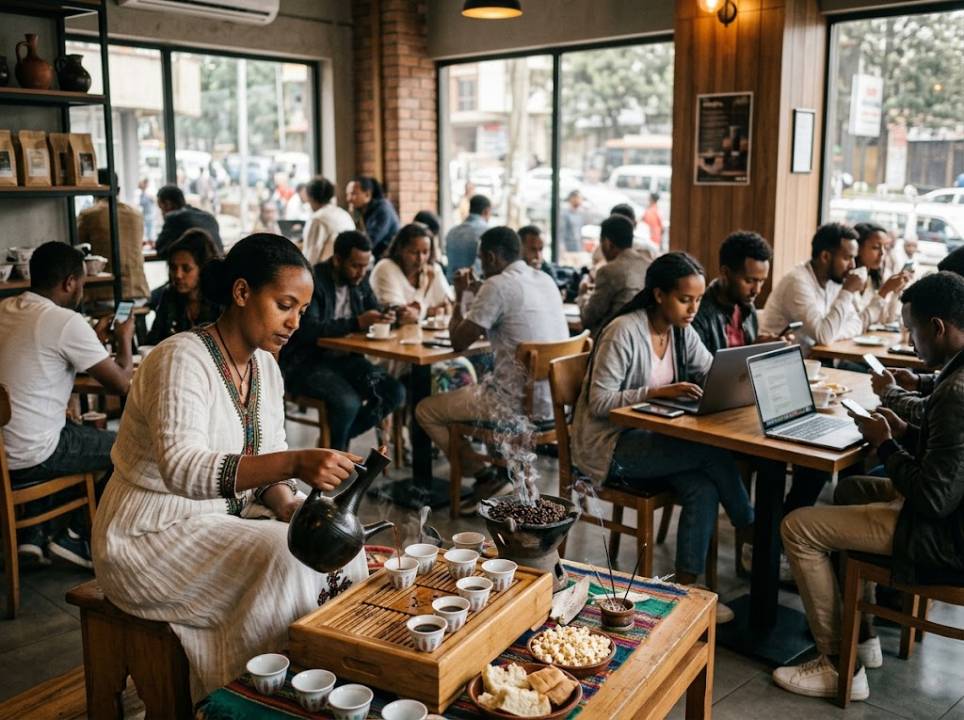
According to the International Coffee Organization, Ethiopia is also one of the few major producers where domestic consumption is very high. Roughly half of the harvest is drunk at home, often in the traditional coffee ceremony that can last more than an hour.
Who buys Ethiopian coffee
Germany has long been one of the largest buyers of Ethiopian coffee, alongside Saudi Arabia, the United States, Belgium, Japan and South Korea. German roasters value the fruity, floral profiles of Yirgacheffe and Sidamo coffees, and Hamburg remains a key hub for green coffee trading in Europe.
For Ethiopian exporters, that means a large share of contracts, quality reports and certification documents end up in German-speaking offices. Exporters building direct relationships with roasters in Hamburg, Bremen or Munich often use professional german translation services for product sheets, offer letters and company profiles, which helps them stand out in a crowded market.
Europe's deforestation rules
One of the biggest changes on the horizon is the European Union's Deforestation Regulation, known as EUDR. It requires importers of coffee, cocoa and several other products to prove that their goods were not grown on land deforested after 2020. The rules were delayed and adjusted after pressure from producers and traders, but they will reshape supply chains once fully applied.
For Ethiopia, where most coffee comes from small plots and semi-forest systems, compliance means mapping farms with GPS, keeping detailed records and sharing that data with buyers. Cooperatives and exporters are working with development partners to build these systems.
The coffee itself may be grown sustainably, but proving it now requires paperwork in several languages.
Francophone buyers and neighbours
Belgium and France are important markets for Ethiopian coffee, and the port of Djibouti, through which much of Ethiopia's trade flows, operates partly in French. Logistics contracts, customs paperwork and buyer communications in these markets often require French versions. Exporters frequently turn to french translation services to prepare offers, specifications and compliance documents that match what Belgian and French importers expect.
Beyond language pairs, exporters need a partner who understands trade paperwork. Specialist business translation services handle contracts, certificates of origin, phytosanitary documents and compliance filings that keep shipments moving. For Ethiopian exporters dealing with German, French and Arabic-speaking buyers, that expertise turns a compliance burden into a routine. The result is fewer border delays and stronger relationships with importers.
Going digital
A growing number of Ethiopian exporters, specialty washing stations and cooperatives now sell partly online. They maintain websites with farm stories, harvest updates and lot descriptions, sometimes in English, German, Japanese, Korean and Arabic. Keeping all those versions in sync is a real challenge for small teams.
An online translation management system lets exporters update a lot description once and push the changes to every language version, while translators work in parallel. For a coffee business that releases dozens of micro-lots each season, that saves a great deal of time and avoids mismatched information.
Challenges at home
The sector still faces serious problems. Many farmers receive only a small share of the final retail price. Old trees and low yields limit productivity in some regions. Climate change threatens suitable growing areas, and conflict in parts of the country has disrupted transport and harvests in recent years. Currency reforms since 2024, including the move to a market-based exchange rate, have changed export incentives and import costs at the same time.
The specialty boom
On the positive side, demand for specialty coffee keeps rising. Ethiopian coffees regularly score highly in international competitions such as the Cup of Excellence, and individual farms and washing stations have become known by name among roasters worldwide. This allows some producers to earn significantly higher prices for traceable, high-quality lots.
- Yirgacheffe: known for floral and citrus notes.
- Sidamo: balanced, often with berry flavours.
- Guji: bright and complex, increasingly popular with specialty buyers.
- Harrar: dry-processed coffees with wine-like and fruity character.
What to watch
Over the next few years, the key questions for Ethiopia's coffee economy will be how well producers adapt to EU rules, whether more value can be captured locally through roasting and branding, and how climate adaptation programmes progress. Expansion into Asian markets, especially China and South Korea, could also diversify demand.
For a country that gave coffee to the world, the opportunity is clear. Ethiopia's next chapter in coffee will be written not only in the fields, but in contracts, data and digital storefronts that reach buyers in their own languages.